



Beskrivning
Beskrivning
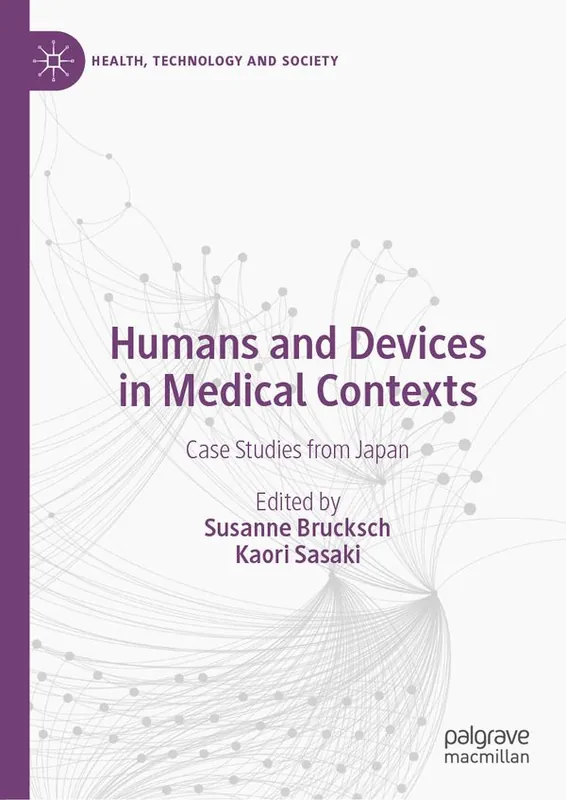
This edited volume is of interest to scholars, practitioners, policy makers and students from various disciplines, including Science and Technology Studies (STS), medical humanities, social sciences, ethics and law, business and innovation studies, as well as biomedical engineering, medicine and public health. Focusing on Japan, the book consists of nine case studies on topics of: experiences with radiation in Hiroshima, Nagasaki, and Fukushima; patient security, end-of-life and high-tech medicine in hospitals; innovation and diffusion of medical technology; and the engineering and evaluating of novel devices in clinical trials. The individual chapters situate humans and devices in medical settings in their given semantic, pragmatic, institutional and historical context. Specifically, this anthology explores the ways in which socio–technical settings in medical contexts find varying articulations in a specific locale such as Japan. In three separate chapters, this guiding question is theoretically specified and conclusions are systematically drawn from the findings of each case study. With this highly interdisciplinary approach, this edited volume provides novel and deep insights beyond the manifold findings of each case study, thereby enriching academic discussions on socio-technical settings in medical contexts amongst affiliated disciplines.